When the final bell rings and the people leave, a school doesn’t become empty…
Across Virginia, school grounds become part of a much larger landscape after people leave. Lawns turn into feeding grounds, fence lines become travel routes and trees provide food and shelter.
Some of the animals using these spaces are obvious while others may visit almost entirely unnoticed.
So what might be wandering past a school after everyone has gone home? Here are 10 species that are likely visitors.
1. White-tailed deer
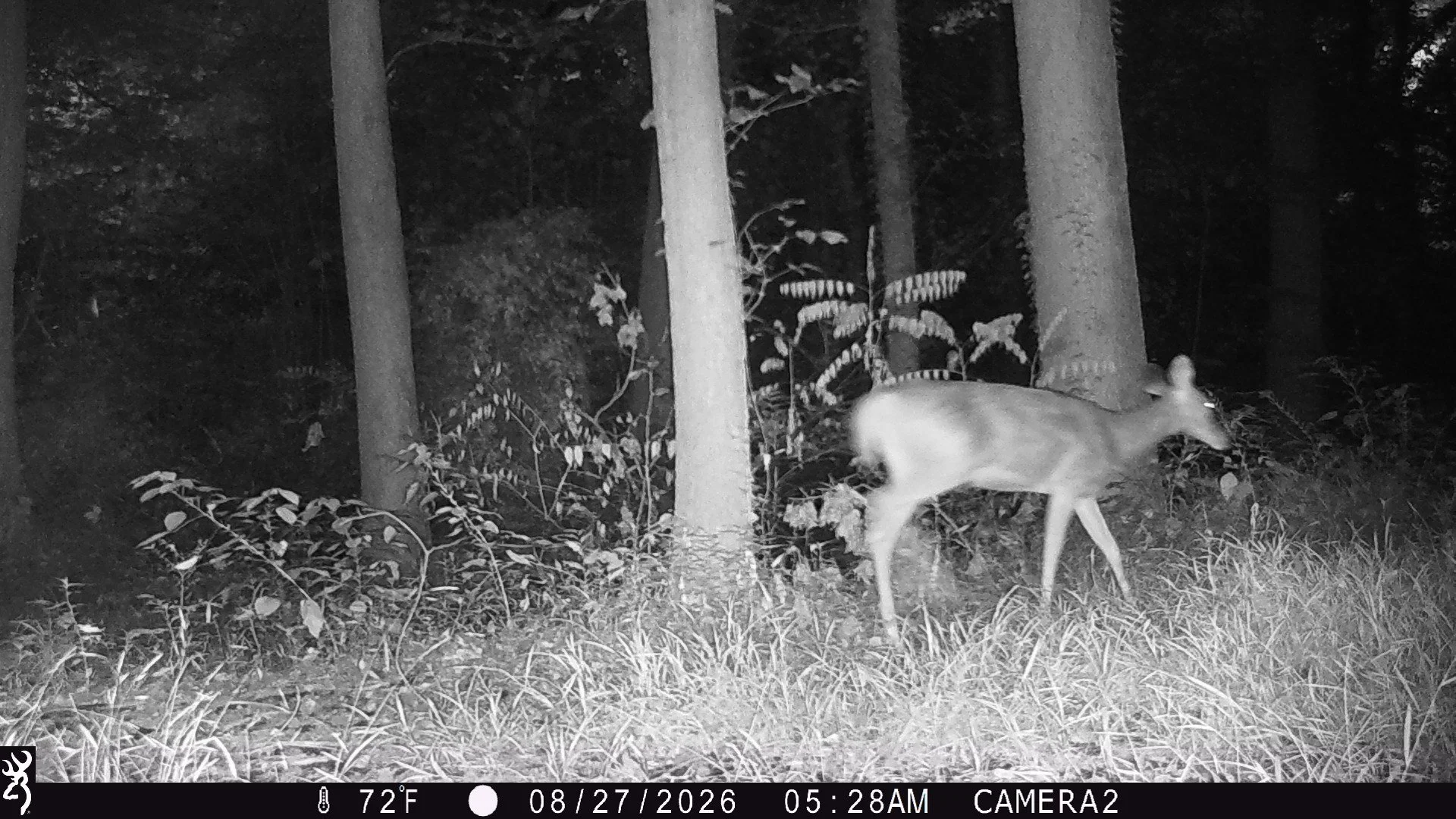
A White-tailed dear moves through the woods
White-tailed deer are found throughout Virginia, including urban and suburban areas. They're particularly associated with edge habitat—places where woods meet fields, lawns or other open spaces—which means some school grounds can provide exactly the sort of landscape they use.
A school beside woods or an undeveloped patch of land could therefore receive some surprisingly large visitors when things get quiet.
What to look for: hoof-prints, browsed plants, droppings and narrow trails through vegetation.
2. Raccoon
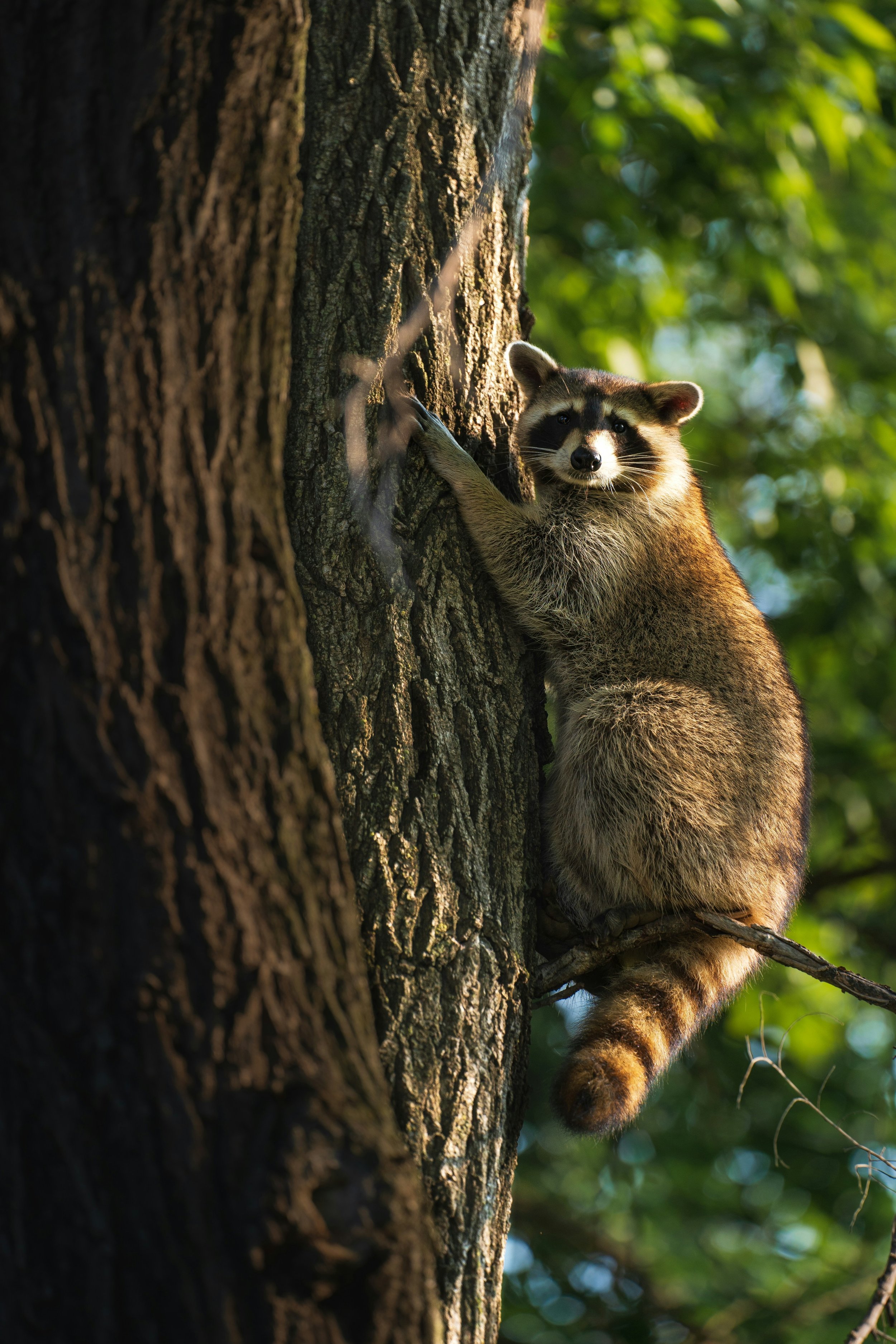
A racoon climbs a tree
The familiar masked face of a raccoon would make a fantastic camera-trap discovery.
Raccoons are among the wildlife species found across Virginia and are well adapted to living around landscapes altered by people. Virginia DWR includes them among the animals that commonly create human-wildlife encounters.
Because much of their activity happens when students aren't around, a camera may reveal a completely different side of the school grounds.
What to look for: five-toed, hand-like tracks, disturbed soil and activity around water or food sources.
3. Virginia opossum
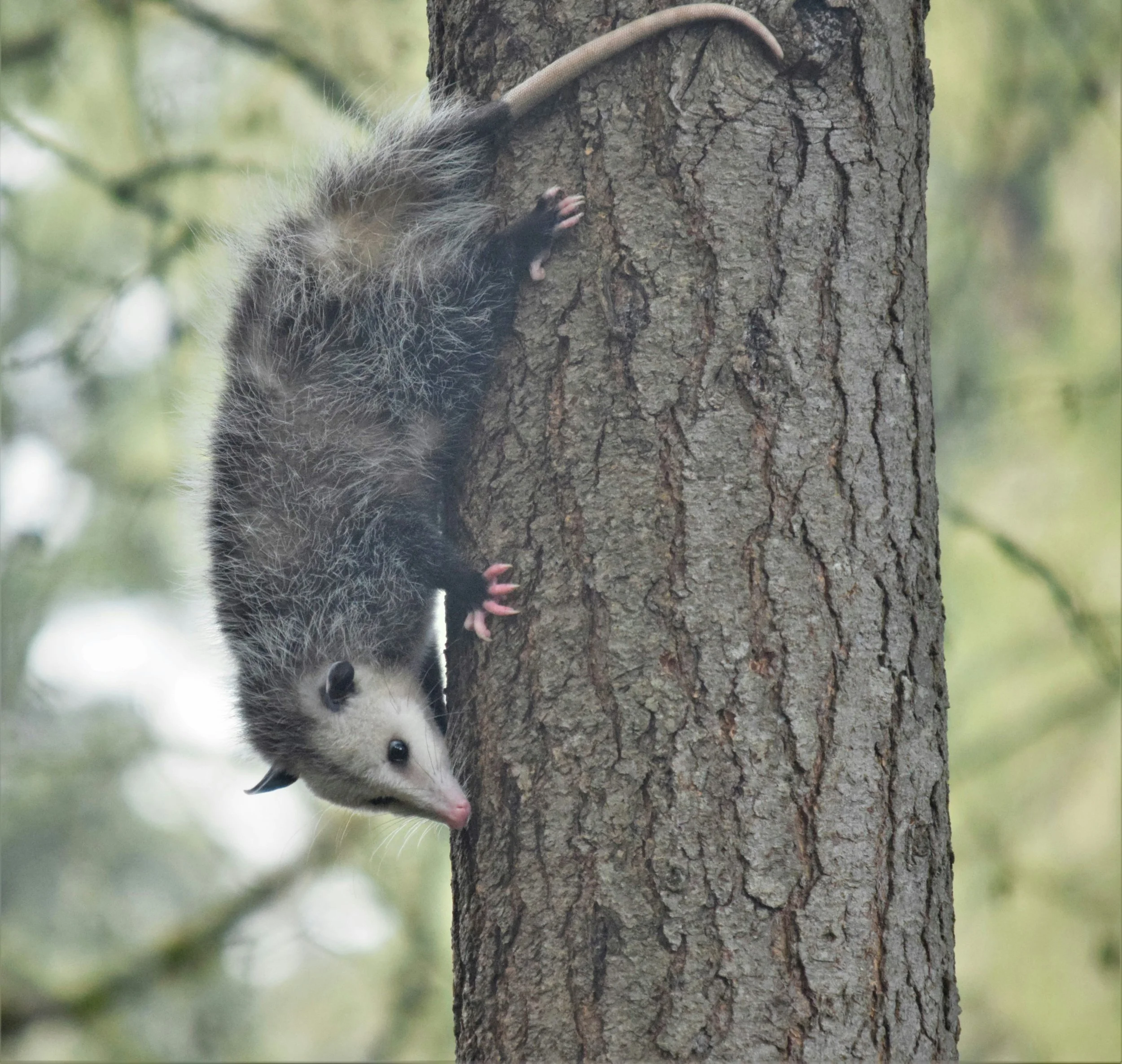
A Virginia opossum descends in search of food
Virginia's only native marsupial is exactly the sort of animal students may rarely see during the school day.
Opossums are nocturnal and opportunistic feeders, which can bring them into human environments while we're asleep.
And yes, the babies really do develop in their mother's pouch.
What to look for: five-toed tracks and evidence of nighttime foraging.
4. Eastern gray squirrel
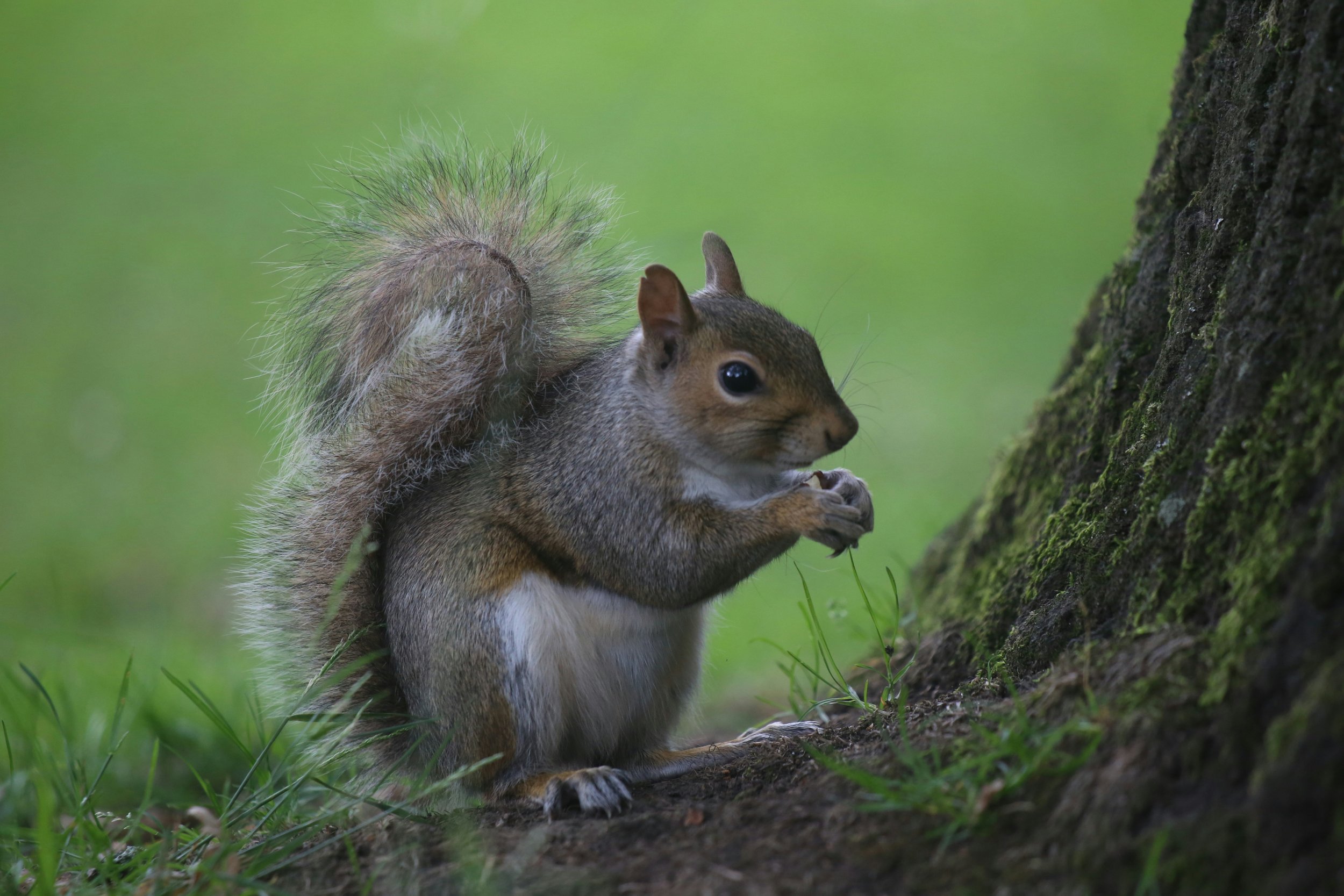
An Eastern Gray squirrel foraging by a tree
Perhaps not the most mysterious animal on our list—but potentially one of the most important.
Gray squirrels are abundant in Virginia wherever suitable wooded habitat exists, and foods including acorns, hickory nuts and walnuts can attract them.
Seeing one isn't difficult, but the more interesting challenge is discovering how it's using the habitat.
Where is it feeding? Which trees does it visit? Is it travelling along the ground or through the canopy?
Sometimes wildlife investigation isn't about finding something rare. It's about looking differently at something familiar.
What to look for: chewed nuts, acorn shells, leaf nests and movement through the tree canopy.
5. Eastern cottontail
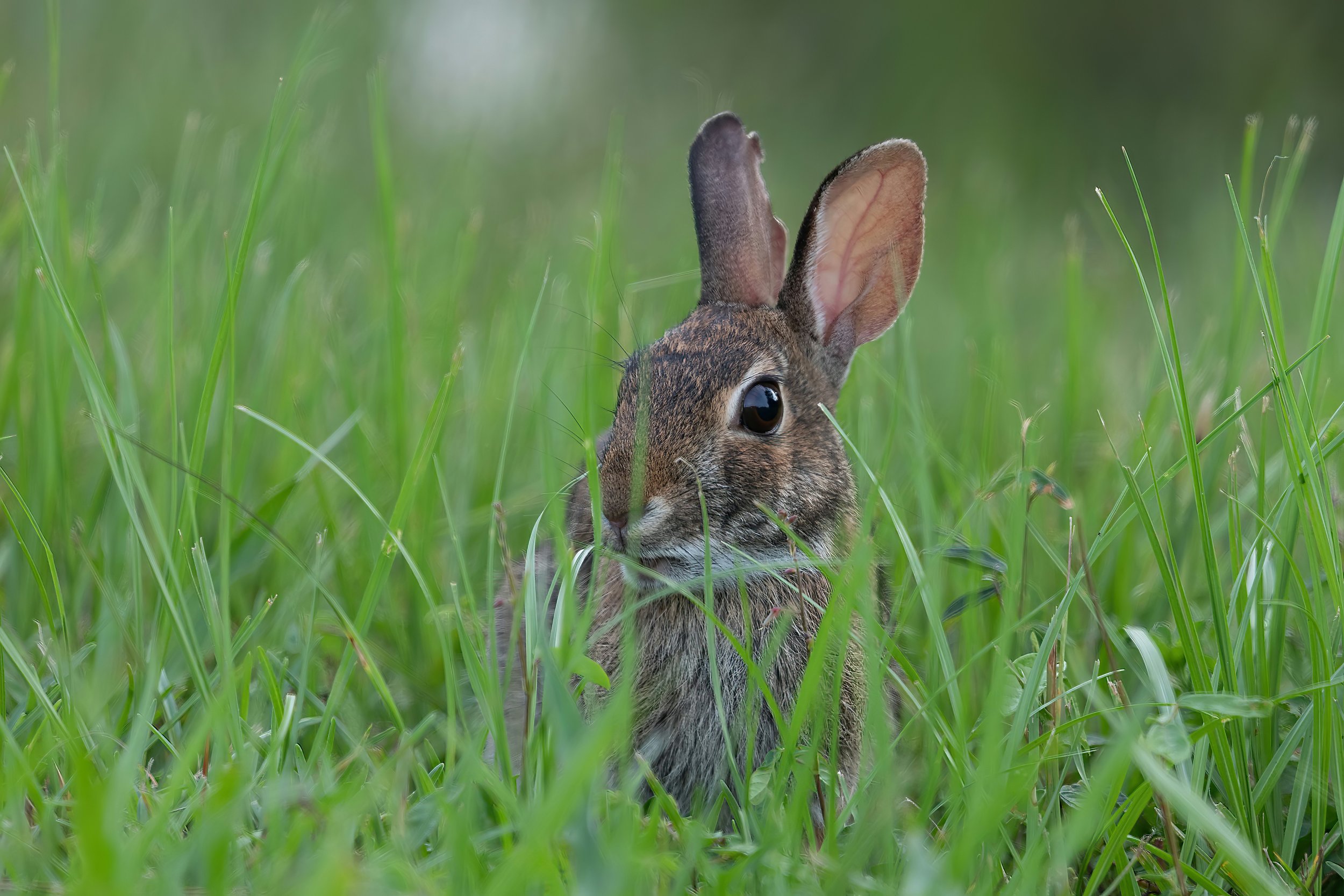
An Eastern Cottontail chews on grass, alert to danger
A patch of grass that looks fairly ordinary to us can look very different from rabbit height.
They're a useful reminder that good wildlife habitat doesn't necessarily need to look like wilderness. Vegetation, hiding places and nearby food can make seemingly ordinary spaces useful to animals.
What to look for: small round droppings, clipped vegetation and rabbit tracks.
6. Red fox
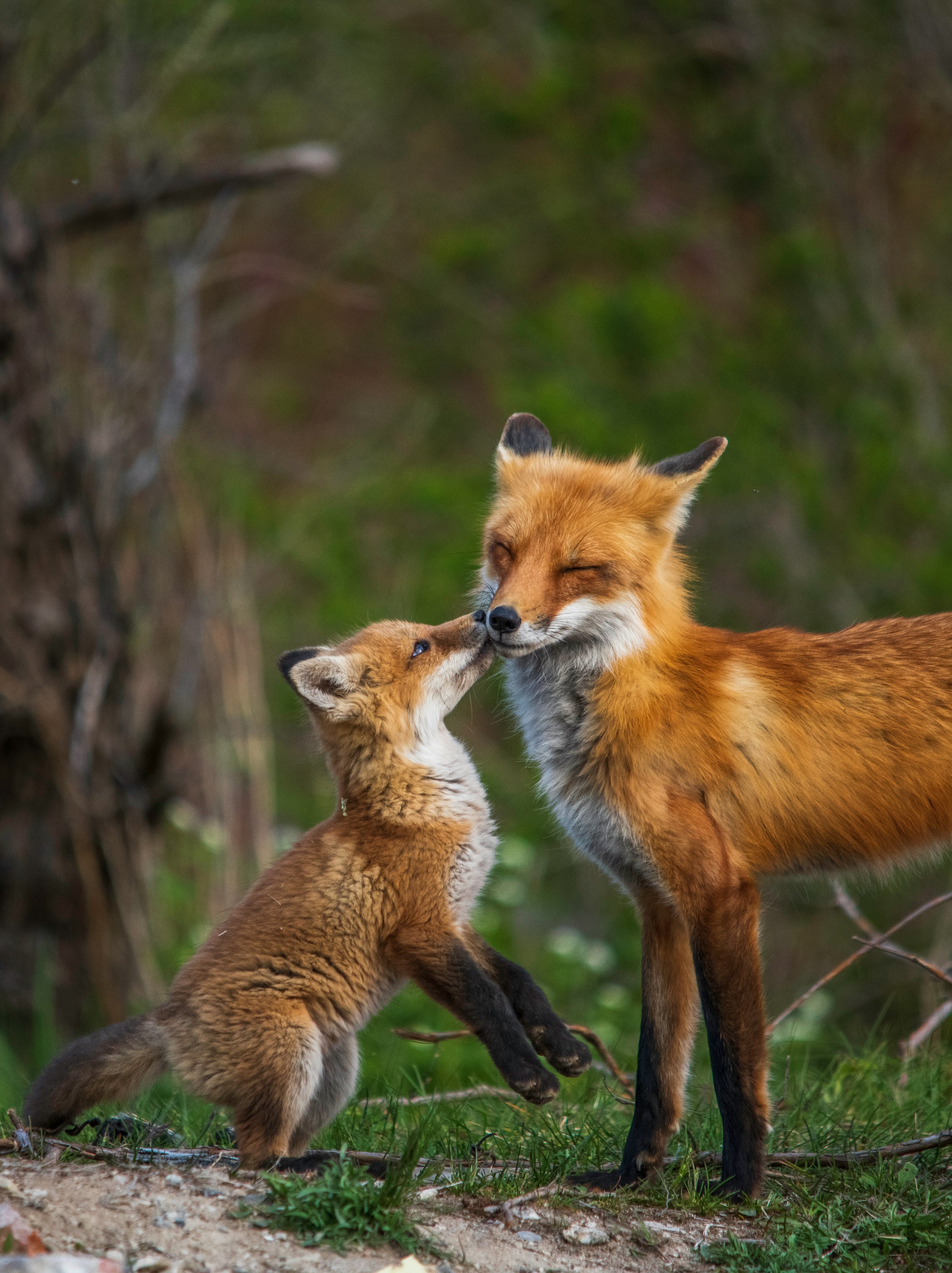
This is where things get exciting.
A fox can potentially pass through an area without anyone at a school realizing it was ever there.
And that's precisely why motion-activated cameras can change the way we understand familiar places.
You don't necessarily need to see the fox.
You need to discover where it goes when you're not looking.
What to look for: narrow canine tracks, scat and well-used routes along habitat edges.
7. Groundhog
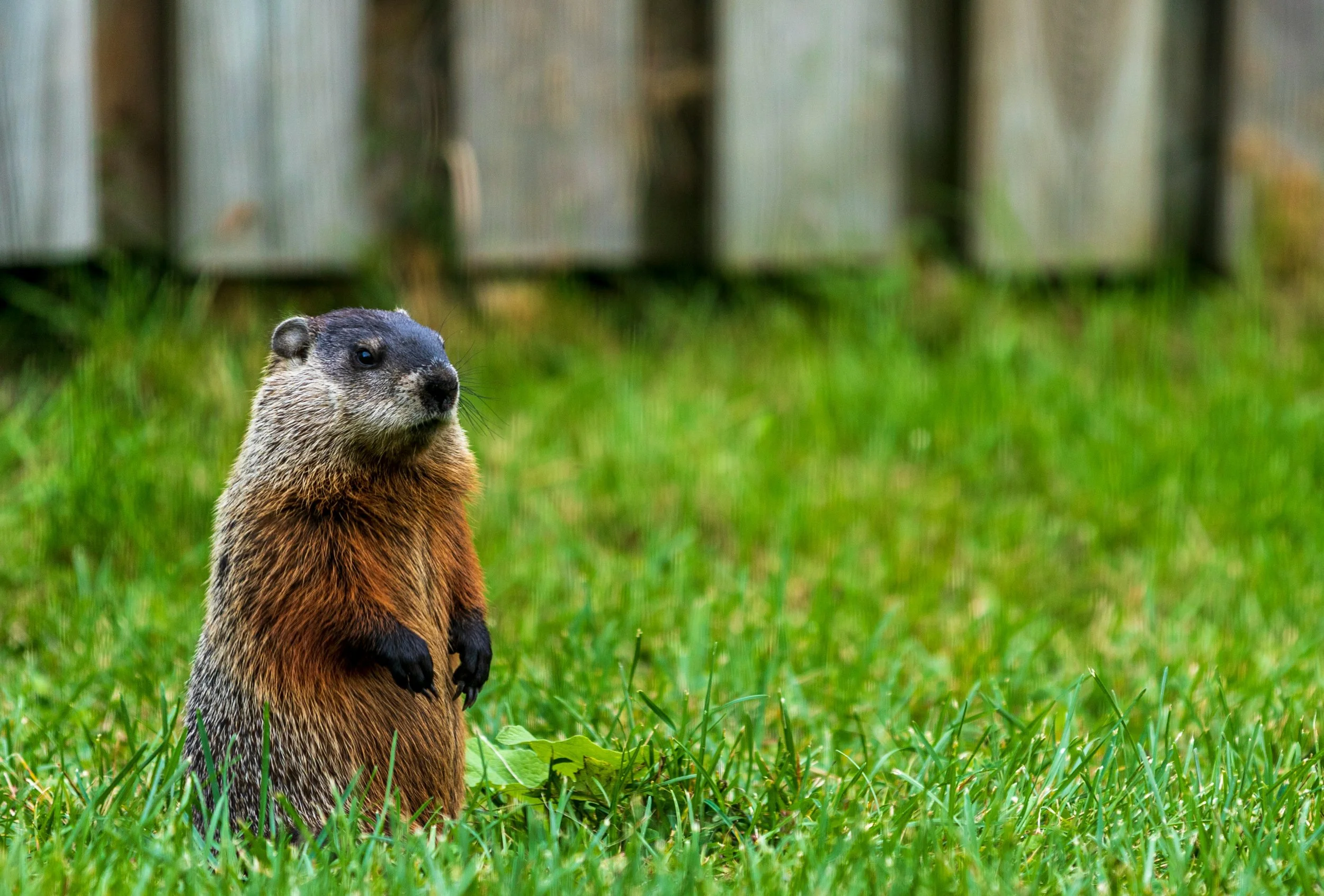
A groundhog observes its surroundings
Unlike some of the secretive nighttime animals on this list, groundhogs (also known as woodchucks) are active during daylight.
But finding a burrow can be just as interesting as finding the animal.
A hole in the ground suddenly creates questions:
Who made it?
Does anything live there now?
How could we find out without disturbing it?
And suddenly an ordinary corner of the school grounds becomes an investigation.
What to look for: burrow entrances, excavated soil and cropped vegetation.
8. Striped skunk
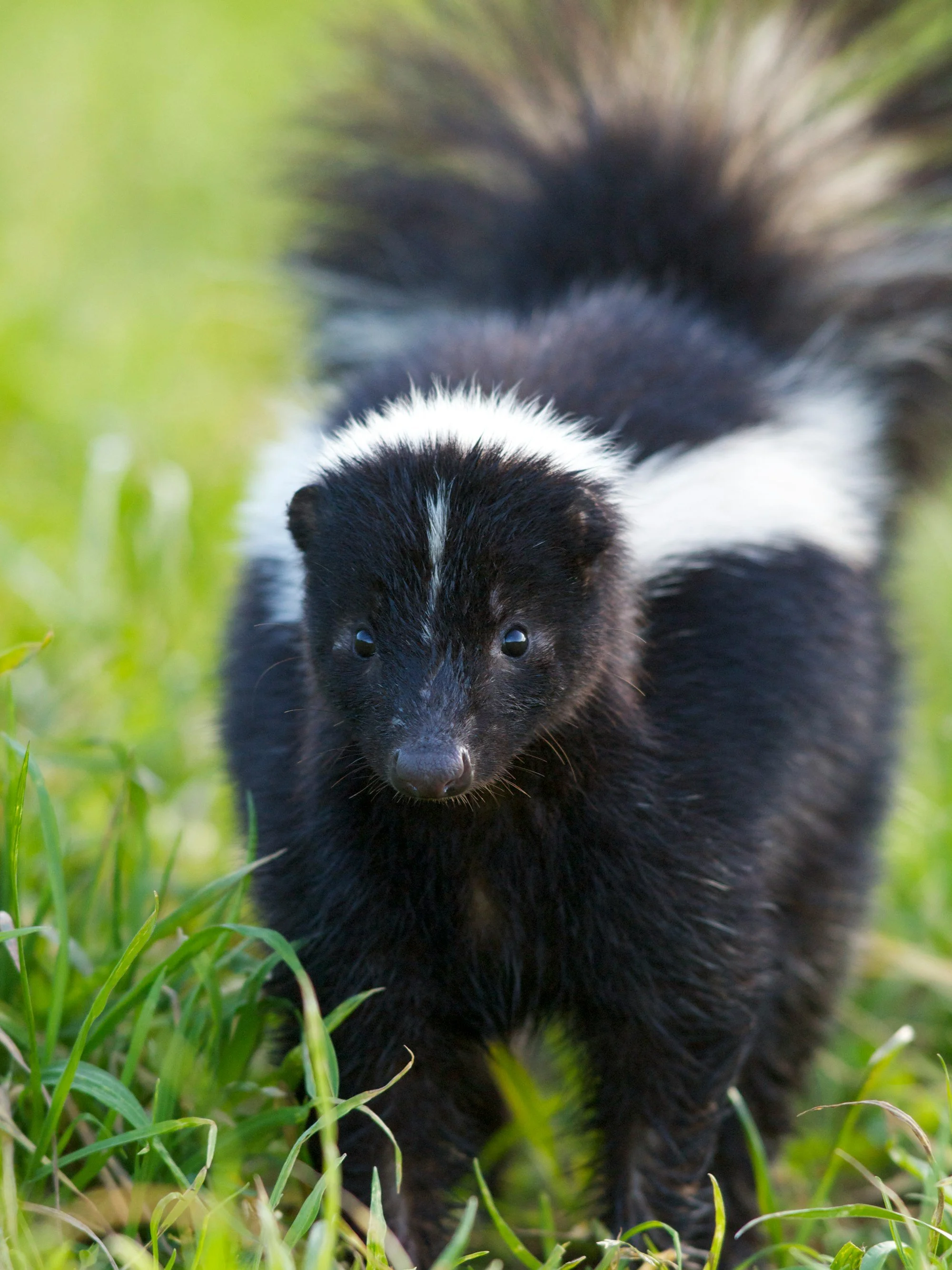
The unmistakable look (and smell) of a striped skunk
Striped skunks are primarily nocturnal and are particularly associated with brushy fields and forest edges in suitable parts of Virginia.
They're another good example of why what students see during recess represents only a fraction of the wildlife story.
A camera left outside overnight gets to keep watching after we've gone home.
What to look for: small excavations where an animal has searched for food—and, occasionally, a rather unmistakable smell.
9. Eastern chipmunk
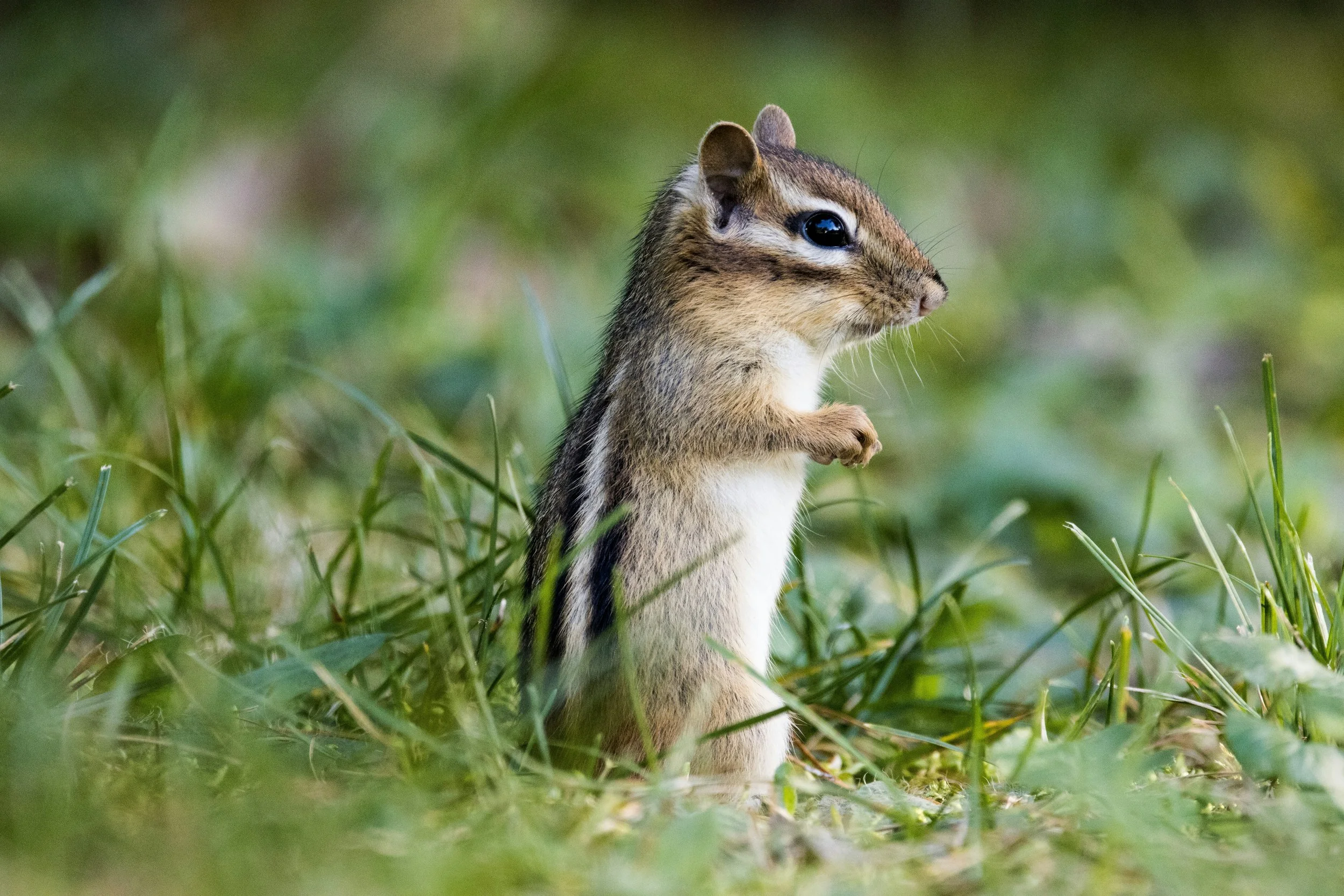
The diminutive Eastern chipmunk is an elusive creature in Virginia
Small animals can produce some of the best investigations.
Eastern chipmunks are part of Virginia's mammal fauna, alongside squirrels, woodchucks and other rodents.
They're quick enough that students may only glimpse one disappearing beneath vegetation.
A still camera can freeze that moment.
And when you're investigating wildlife, small discoveries count too.
What to look for: small holes near rocks, logs or tree roots, tiny tracks and feeding remains.
10. Coyote
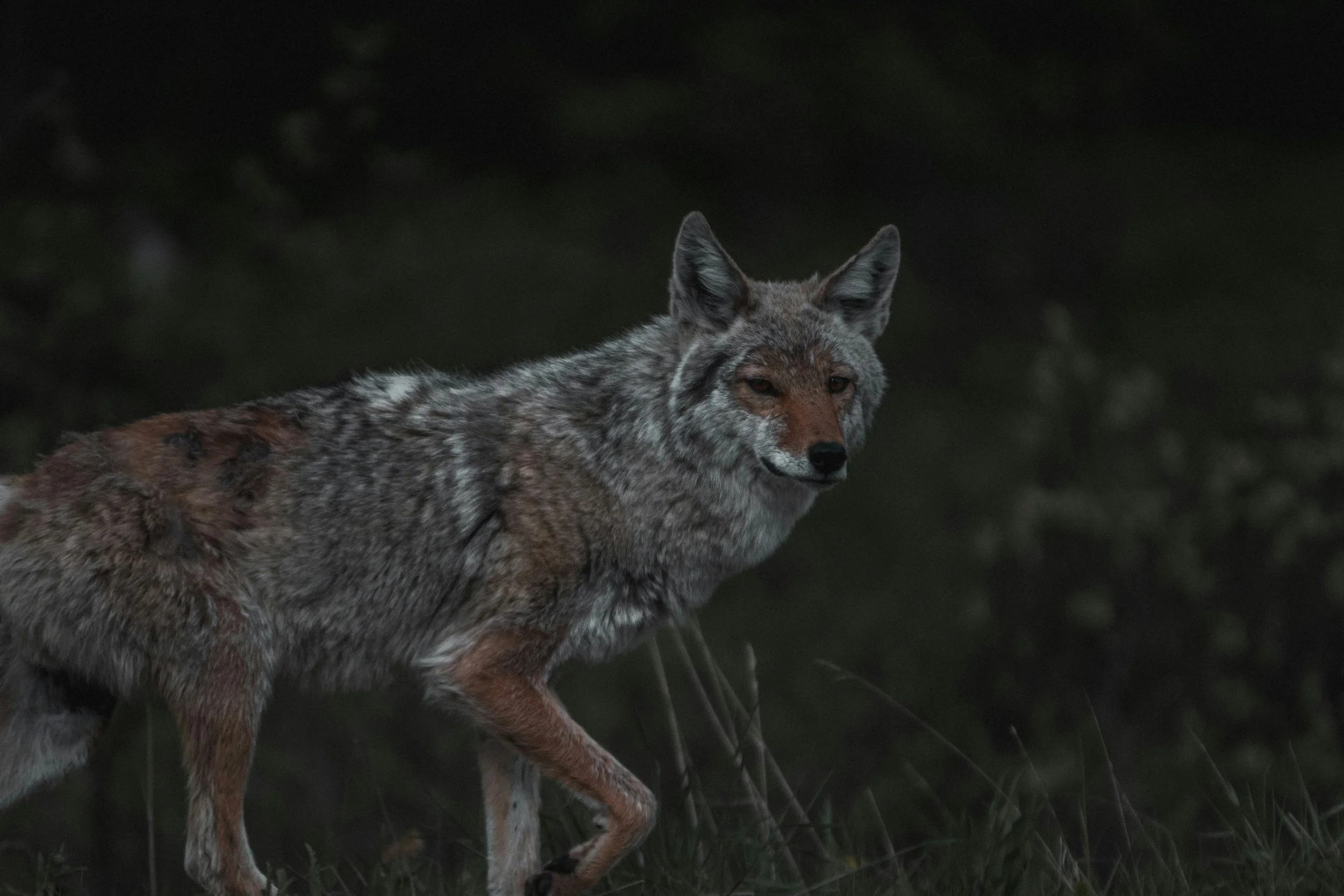
Not a common sight, but coyotes are out there in the wilderness
This would be quite a Discovery Day photograph.
Coyotes are established in Virginia and appear in Virginia DWR's wildlife records alongside animals including foxes, raccoons, deer and bobcats.
They're also an excellent reminder of something important:
Finding wildlife doesn't necessarily mean getting close to it.
A footprint, photograph or other piece of evidence can tell us an animal was there while allowing the animal to remain completely undisturbed.
That's one of the things camera traps are particularly good at.
What to look for: canine tracks, scat and travel routes along quieter boundaries.
The animal that isn't on this list
Perhaps the most exciting possibility is number eleven.
Every school is different.
A wooded school in western Virginia won't necessarily record the same animals as a suburban school outside Richmond. A school beside a creek may discover different visitors from one surrounded by playing fields.
And that's really the point.
The question isn't simply:
“Which of these ten animals lives here?”
It's:
“What lives around our school?”
That's a question students can actually investigate.
Hidden Habitats helps elementary students explore their school grounds, look for signs of wildlife, make predictions and choose locations for motion-activated wildlife cameras.
Then we leave the cameras behind.
When we return, the photographs reveal what happened while everyone was gone.
Because sometimes the most interesting wildlife isn't somewhere far away.
It's just outside the classroom.
